Sustainability is changing the conversation around branded merchandise. Here I dive in what brands need to know.
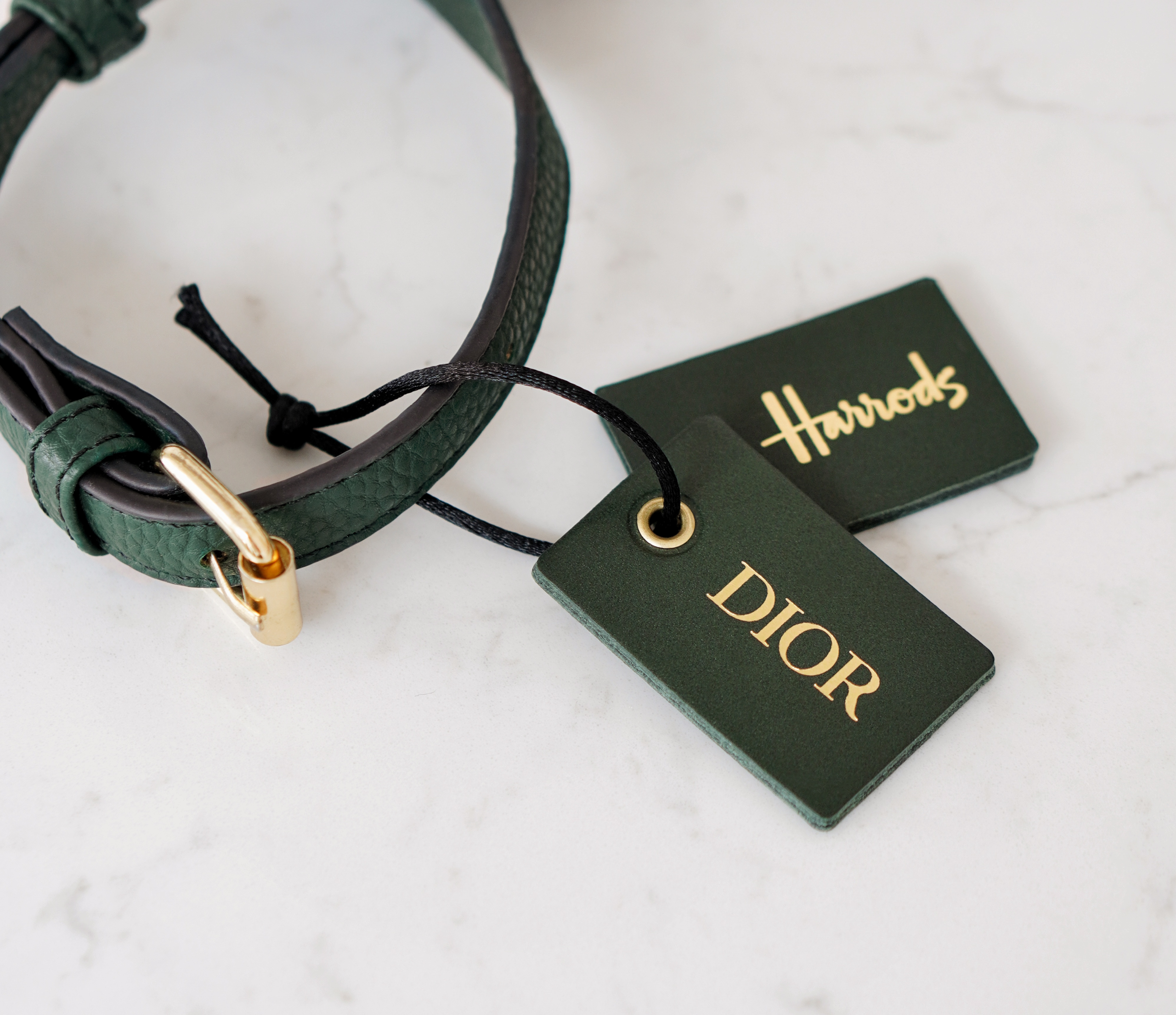
Sustainability is changing the conversation around branded merchandise. The old question was how many items a budget could buy. The better question is how much lasting value those items can create. A product that is immediately discarded is not a strong brand experience, however low the unit price. More businesses are examining what merchandise is made from, how far it travels and whether recipients will actually use it.
Materials are only the beginning
Recycled polyester, recycled aluminium, FSC certified paper and responsibly sourced fibres offer useful options, but a recycled content label does not tell the whole environmental story. Production energy, chemical processing, durability, packaging and eventual disposal also matter. A reusable bottle, for example, needs to be used repeatedly to fulfil its promise. Good specification therefore considers the entire product rather than a single appealing claim.
Design for a longer life
One of the strongest opportunities is to create fewer, better products. Timeless colours, comfortable fits, practical functions and subtle decoration can help merchandise stay relevant beyond a single event. Premium does not automatically mean sustainable, but products designed for sustained use may reduce pressure to replace them. Asking whether someone would choose to own the item without the logo is a useful creative test.
Proof over promises
Responsible sourcing requires evidence. Product certifications, credible recycled-content documentation, supplier audits and traceability information help procurement teams assess claims. Environmental regulations and standards vary by market, so global programmes need careful review of the claims made in each destination.
A better brief
The most useful sustainability decisions happen before a product is ordered: establish the audience, purpose, quantity, expected lifespan and delivery route. Consider local fulfilment where appropriate, reduce unnecessary packaging and measure what remains unused. For us at ESM, responsible merchandise is a creative challenge as much as a sourcing one: make something distinctive enough to deserve a place in people’s lives.
Questions that improve the outcome
Ask us for evidence behind material claims, expected product life and relevant certifications. Consider whether replacement parts are available, whether decoration affects recyclability and whether the item is genuinely appropriate for your audience. Ordering fewer pieces may sound counterintuitive in a volume driven category, but matching quantity to demand can be one of the most practical ways to reduce waste. Sustainability is a sequence of informed decisions rather than a badge added at the end.