How will AI reshape the world of promotional merchandise?
Not how you might think….
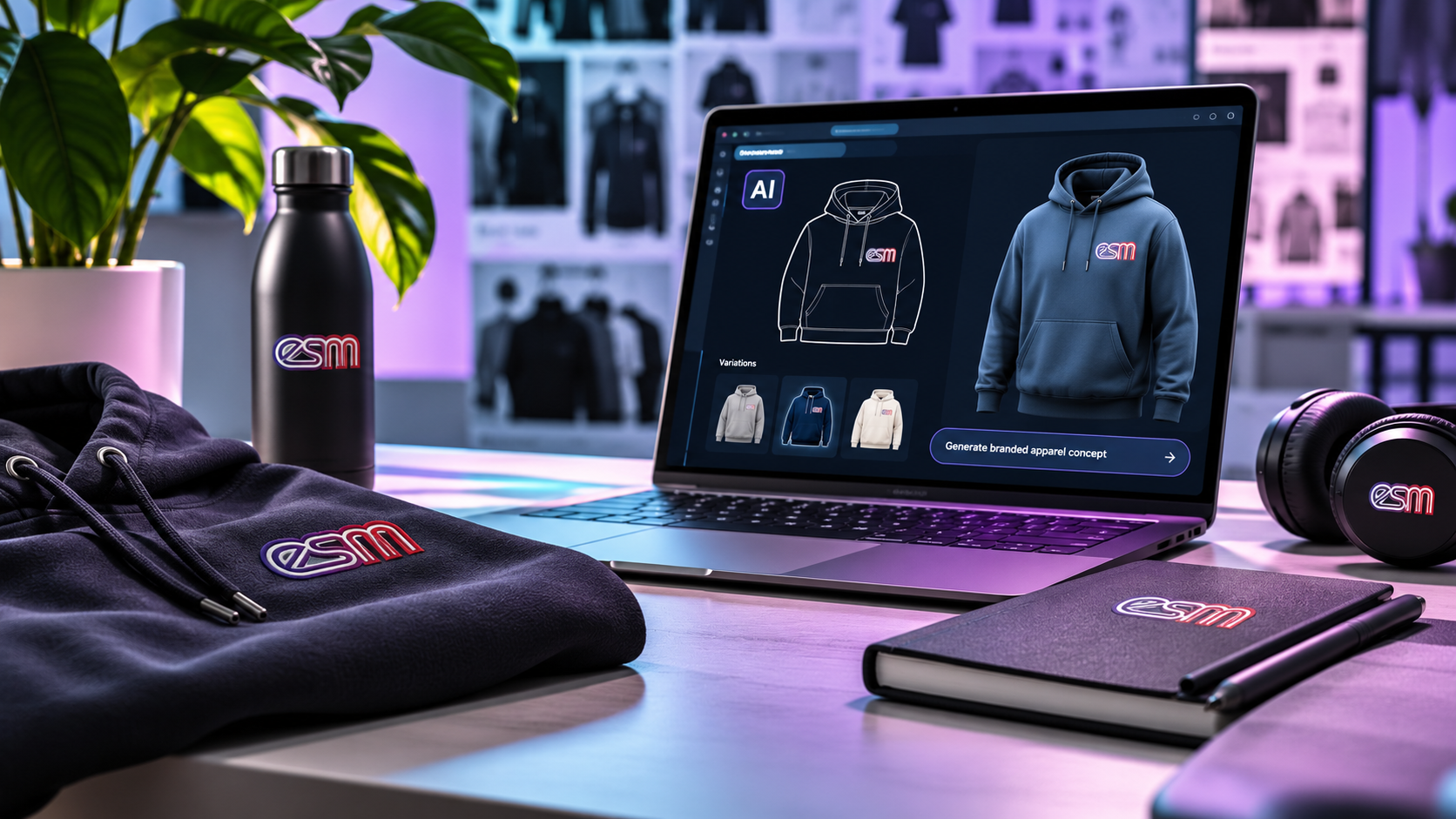
We are all told AI will change every almost aspect of our lives. How will it effect the world of branded merchandise? I am yet to be convinced that it will ever replace the human relationships that are so pivotal to this market but it will have effects in other areas, let’s dive in.
From catalogue to creative intelligence
AI is already changing the way marketing teams develop ideas. For branded merchandise, its most exciting application is not generating endless product suggestions but it is helping our teams understand what an audience values, identify relevant cultural signals and move from an initial brief to a considered concept more quickly. A merchandise programme should start with a question about people, not products: what should recipients feel, remember or do? AI can support the research, but it cannot set that ambition for a brand.
Personalisation with purpose
Generative design tools can explore visual directions, colourways and packaging concepts in minutes. The magic lies in combining this with responsibly collected insight; it’s this that helps agencies like ESM build different merchandise collections for different regions and teams. The opportunity is particularly compelling for global brands: maintain a recognisable identity while adapting the product range to local culture. I feel the risk sits in producing superficial variations that feel automated rather than personal. Human creative direction remains essential.
A more responsive supply chain
AI assisted forecasting may help teams anticipate demand, plan inventory and avoid unnecessary production. Supplier comparison and logistics analysis can also highlight risks earlier and allows my teams to react faster. Better decisions can also mean fewer surplus items, fewer last-minute shipments and ultimately a significant budget saving.
The physical advantage
As digital content becomes easier to generate, tangible brand experiences may become more distinctive. A beautifully made jacket, carefully curated gift or useful travel accessory occupies a place in someone’s everyday life that a fleeting online impression cannot. The best merchandise has a story, a function and a reason to exist. Technology can help discover that opportunity, but craft and human judgement turn it into something people want to keep.
What comes next
The agencies that thrive will not be the ones promising that AI can replace imagination. They will use intelligent tools to free more time for strategy, design and the detail of delivery. At ESM, our perspective is simple: the future belongs to merchandise that feels more considered, not more automated. AI should make the process smarter; the experience should remain unmistakably human.